
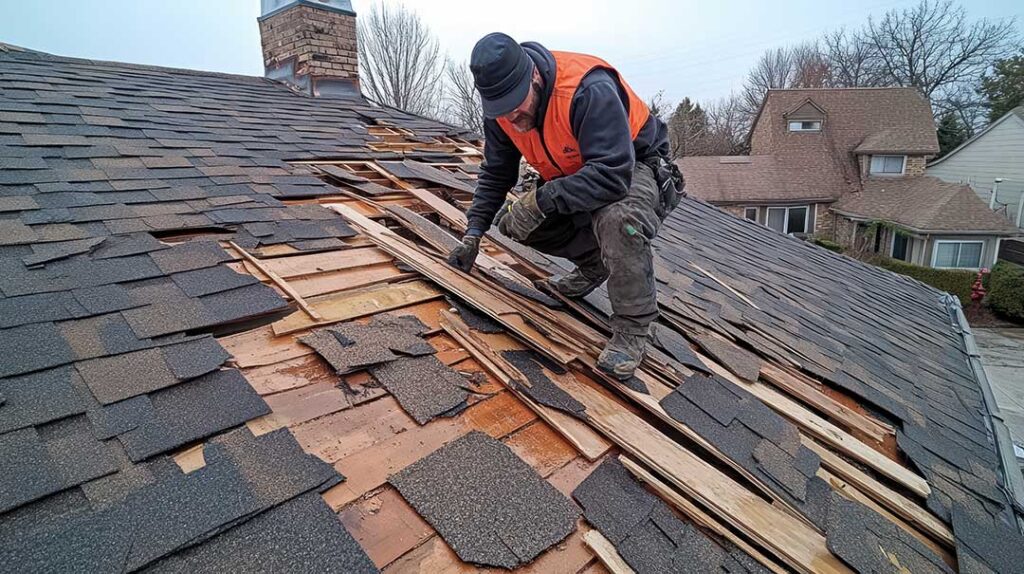
Cool roof ratings describe how effectively a roofing material reflects sunlight and releases absorbed heat. For residents in Groton, NY, these ratings can help explain differences in summer attic temperatures, indoor comfort, and long-term roof performance.
What does a cool roof rating measure?
A cool roof rating usually combines two measurements:
- Solar reflectance: The percentage of sunlight a roof surface reflects instead of absorbing.
- Thermal emittance: How efficiently the roof releases heat after it becomes warm.
These values are often combined into a measurement called the solar reflectance index, or SRI. A higher SRI generally means the roof stays cooler in direct sunlight than a roof with a lower rating.
A roof does not need to be white to qualify as “cool.” Some light-colored, specially coated, or reflective roofing materials can perform well while having colors that are more suitable for traditional residential construction.
Why might cool roof performance matter in Groton?
The local climate includes warm, sunny periods in summer as well as cold winters, snow, ice, wind, and repeated freeze-thaw cycles. A roof selected only for summer reflectivity may not be the right choice for the entire year.
During hot weather, a reflective roof may absorb less solar heat. That can reduce heat transfer into the attic and upper living spaces, especially in homes with limited insulation or ventilation. The effect is usually most noticeable on:
- Low-slope roof sections
- Large roof areas exposed to afternoon sun
- Homes with finished upper floors
- Attics with dark or poorly ventilated spaces
- Houses without central cooling or with limited air conditioning
Cool roof ratings do not eliminate the need for proper insulation, air sealing, ventilation, or moisture control. A highly reflective surface cannot correct an attic that is under-insulated or receiving warm, moist air from the living space.
Is a cool roof useful in a cold, snowy climate?
Yes, but the benefits should be evaluated across all seasons. A reflective roof can reduce unwanted solar heat gain during summer, while winter performance depends more heavily on insulation, air leakage, ventilation, snow behavior, and the roof assembly as a whole.
In a heating-dominated climate, a darker roof may absorb more solar heat during some sunny winter periods. However, that does not automatically make it more energy-efficient. Winter heat loss through the ceiling and attic is usually controlled more by insulation levels and air leakage than by roof color.
Snow cover also changes roof behavior. A layer of snow can reflect sunlight regardless of the roofing material underneath. Ice dams are caused mainly by uneven roof temperatures, heat escaping from the home, inadequate ventilation, and snow conditions—not simply by whether a roof is light or dark.
How are cool roof ratings different from energy ratings?
A cool roof rating describes the roof surface’s response to sunlight. It does not provide a complete energy rating for the building.
Energy performance also depends on:
- Attic insulation depth and condition
- Air sealing around ceiling penetrations
- Ridge, soffit, gable, or other ventilation arrangements
- Roof slope and orientation
- Window size and solar exposure
- Heating and cooling equipment
- Interior humidity and air movement
- The condition of the roof deck
Two houses with the same shingles can have very different indoor temperatures if their insulation and ventilation systems differ. Likewise, a roof with a strong SRI rating may provide only a modest improvement if most summer heat enters through windows or poorly insulated walls.
What roofing materials can have cool roof properties?
Cool roof performance varies by product type, color, surface finish, and installation. Common possibilities include:
- Reflective metal roofing
- Light-colored asphalt shingles designed for higher reflectance
- Reflective coatings for certain compatible roof surfaces
- Single-ply membranes on low-slope roof sections
- Tile or other materials with naturally reflective finishes
Material names alone are not enough to determine performance. Two roofs made from the same general material can have different reflectance and emittance values. The product’s technical documentation or rating information is more reliable than color descriptions such as “light,” “gray,” or “weathered.”
Roofing materials must also be suitable for the roof’s slope, drainage pattern, structural support, snow exposure, and installation method. A reflective coating, for example, is not appropriate for every roof surface and may not correct an aging or leaking roof.
How can a homeowner compare ratings?
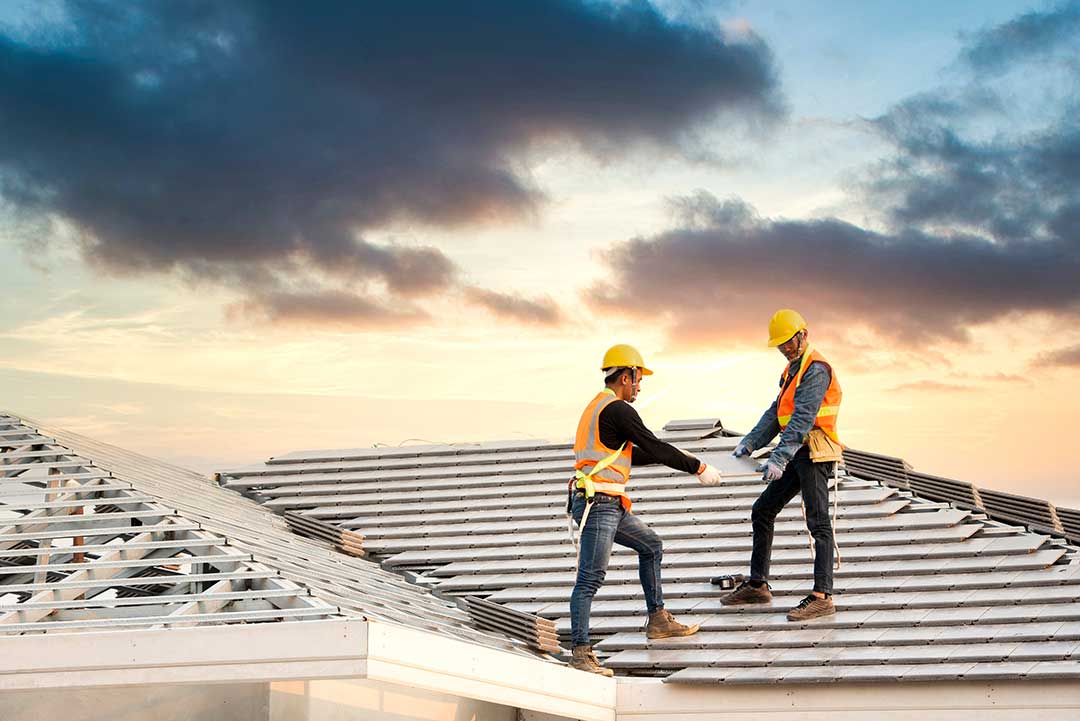
Look for clearly identified values rather than relying on general claims. Useful information may include:
- Initial solar reflectance
- Aged solar reflectance
- Thermal emittance
- Solar reflectance index
- The test method or rating standard used
- Whether the rating applies to the exact color and product
Aged performance can be more useful than new-product performance because roof surfaces collect dust, pollen, organic debris, and other material over time. Some surfaces also weather or lose reflective properties as they age.
When comparing products, it helps to ask whether the rating applies to the installed roof system or only to an individual surface sample. Flashings, fasteners, exposed edges, rooftop equipment, and areas that collect debris can affect real-world performance.
Are dark roofs always a poor choice?
No. Dark roofs generally absorb more solar energy than reflective roofs under strong sunlight, but roof color is only one factor in overall performance. A dark roof may still be appropriate when the attic is well insulated, the roof assembly is properly ventilated, and the material is suited to local weather conditions.
Appearance, neighborhood character, historic considerations, snow shedding, maintenance, and material durability may also affect the decision. A roof should be evaluated as a complete system rather than selected by color alone.
A common misconception is that a light-colored roof will always make a home cooler. In practice, the difference may be limited if the roof is shaded, the attic is already well insulated, or cooling loads are driven mainly by windows and air leakage.
Can a cool roof help with ice dams?
A cool roof rating by itself is not an ice-dam prevention strategy. Ice dams form when snow on the roof melts unevenly and refreezes near colder eaves. The main factors include heat escaping into the attic, insufficient insulation, air leaks, ventilation problems, snow depth, and changing outdoor temperatures.
Useful maintenance and building-science measures may include:
- Keeping attic insulation evenly distributed
- Sealing gaps around lights, pipes, ducts, and wiring
- Maintaining clear ventilation paths where the roof design requires them
- Keeping gutters and drainage paths free of blockage
- Watching for recurring frost or moisture in the attic
- Addressing roof leaks before winter weather
Because roof edges, snow, and ice can create fall and structural hazards, inspections and repairs may require appropriate safety equipment and qualified assistance.
What should Groton homeowners consider before choosing a cool roof?
The most useful question is not simply, “What is the highest rating?” It is, “Which roof system fits the building and the local conditions?”
Consider the roof’s slope, existing deck, attic insulation, ventilation, drainage, exposure to wind and snow, and expected service life. Also review any applicable building requirements before changing the roof assembly, especially where a project involves structural work, insulation, low-slope construction, or substantial alterations.
Cool roof ratings are valuable because they provide measurable information about solar heat behavior. They are most useful when considered alongside durability, winter moisture control, snow and ice behavior, installation quality, and the home’s overall energy performance.
