
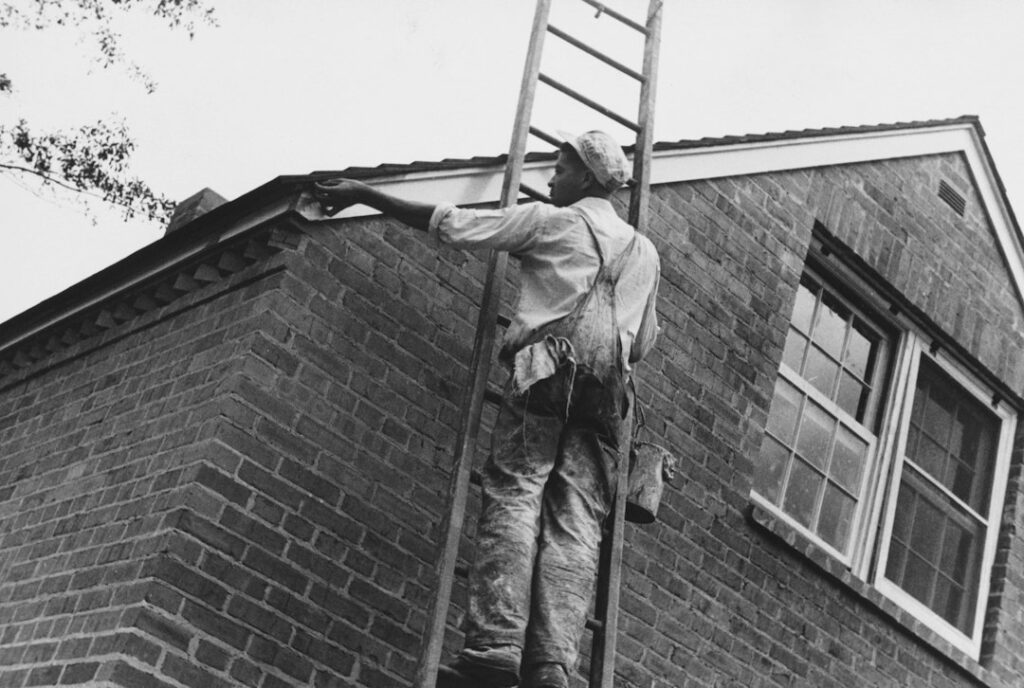
Roof work can look simple from the ground, but climbing onto a roof introduces fall, weather, electrical, structural, and falling-object hazards. For homeowners in Groton, NY, seasonal conditions such as snow, freezing temperatures, wet surfaces, wind, and rapid weather changes can make an otherwise manageable task unsafe.
The safest approach is to limit roof access, plan the work carefully, and avoid climbing whenever the condition of the roof or weather creates uncertainty.
Is it safe for a homeowner to climb onto a roof?
Not always. A roof may be unsafe even when it appears dry and stable from the ground. Shingles can become slippery from dew, frost, algae, moss, or rain. Roofs may also contain weak sheathing, hidden damage, skylights, loose materials, or steep sections that are difficult to cross safely.
Before considering access, ask:
- Is the roof wet, icy, snow-covered, or visibly damaged?
- Is the roof steep, unusually high, or difficult to reach?
- Are there overhead electrical lines near the ladder or work area?
- Can the task be completed from the ground?
- Is there another adult present who knows where the homeowner is working?
If the answer to any of these questions raises concern, staying on the ground is the safer choice. Binoculars, a camera with a zoom lens, or a ground-level inspection can often identify missing shingles, blocked gutters, and visible flashing problems without creating a fall hazard.
What weather conditions make rooftop work unsafe?
Wet, icy, snowy, or windy weather can quickly turn a roof into a hazardous surface. Even light moisture may reduce traction, while frost can be difficult to see from a distance.
For local households, extra caution is needed during:
- Freeze-thaw periods, when water can refreeze on shingles, ladders, and walkways
- Spring thaw, when roof edges may shed ice or snow unexpectedly
- Summer heat, which can soften asphalt-based roofing materials and increase fatigue
- Fall leaf season, when wet debris can conceal slippery areas
- Strong wind, which can shift ladders, lift materials, and affect balance
- Thunderstorms or nearby lightning
Roof work should be postponed if rain, snow, ice, high winds, or lightning is present or expected during the task. A clear morning can become unsafe if conditions change before the work is finished.
How should a ladder be positioned?
A ladder is a major fall hazard when it is placed on an uneven, soft, icy, or sloped surface. Set it on firm, level ground away from loose gravel, snowbanks, wet grass, and areas where vehicles or children could disturb it.
Before climbing:
- Inspect the ladder for cracked rails, bent parts, missing feet, or damaged locks.
- Face the ladder while climbing and keep both hands available whenever possible.
- Maintain three points of contact: two hands and one foot, or two feet and one hand.
- Do not stand on the top step or the highest section marked as unsafe.
- Keep your belt buckle between the ladder rails rather than leaning to either side.
- Have another adult stabilize the ladder when practical.
- Keep ladders away from overhead electrical lines and service connections.
A ladder should never be used as a substitute for a stable roof-access system. Reaching sideways, carrying bulky tools while climbing, or moving a ladder while standing on it creates unnecessary risk.
What equipment helps prevent falls?
Ordinary work clothing and rubber-soled shoes do not provide complete fall protection. A harness is only useful when it is part of a properly designed system that includes a suitable anchor, compatible connectors, and correct installation.
Homeowners should not attach a rope, strap, or makeshift line to a chimney, vent pipe, gutter, railing, or other component that was not designed for fall protection. These parts may pull loose or fail under force.
For elevated roofing work, recognized fall-protection systems may include:
- Guardrails
- Safety nets
- Properly installed personal fall-arrest systems
- Fall-restraint systems designed to prevent reaching the roof edge
- Stable scaffolding or properly designed roof-access equipment

Because incorrect installation can create a false sense of security, fall-protection equipment should be used only when the system is understood, rated for the task, and installed according to its instructions. A worker should also know how to respond after a fall, since suspension in a harness can become dangerous if help is not available.
How can homeowners avoid common roof hazards?
Several roof features deserve special attention. Skylights, roof windows, and other translucent panels may look solid but can fail under a person’s weight. Treat them as openings unless they are specifically designed and rated for walking.
Chimneys, plumbing vents, satellite equipment, and roof-mounted systems can interfere with footing. Gutters are not walkways and should never be used to support a person or ladder.
Loose shingles, nails, tools, and scraps can fall from the roof and injure people below. Before starting work:
- Keep children, pets, and visitors away from the area.
- Do not work above entrances, sidewalks, or occupied rooms without controlling the space below.
- Use a tool belt or secured container instead of carrying loose tools.
- Lower materials carefully rather than throwing them.
- Check the ground for nails and debris when the task is complete.
A magnetic sweeper can help locate scattered ferrous roofing nails, but it does not replace a careful visual cleanup.
Are gutters and roof edges safe to clean from a ladder?
Gutter cleaning is often safer from the ground using an extension tool, hose attachment, or other equipment designed for ground-level use. Standing on a roof edge or leaning far sideways from a ladder increases the chance of losing balance.
Never place a ladder directly against a gutter, because gutters are not designed to bear ladder loads. Keep the ladder clear of downspout discharge areas, mud, ice, and soft soil. If the gutters are attached to a roof with a steep pitch or the home has multiple stories, the task may exceed what a homeowner can safely perform.
Ice dams and heavy roof-edge snow create additional risks. Snow and ice can slide without warning, especially above doors, driveways, and walkways. Do not stand beneath an overhanging accumulation or attempt to chip ice from a roof edge while positioned below it.
What should a homeowner do after noticing roof damage?
Visible damage does not always require immediate rooftop access. From the ground or attic, look for missing shingles, sagging roof lines, daylight through the roof deck, water stains, damp insulation, or active leaks.
During an active leak:
- Move furniture and electronics away from the affected area.
- Place a container beneath dripping water.
- Avoid electrical fixtures or outlets that are wet.
- Photograph damage from a safe location.
- Do not climb onto the roof during a storm or while surfaces are wet.
A sagging roof, major storm damage, exposed roof decking, fire damage, or structural movement should be treated as an urgent safety concern. Keep people away from the area and arrange qualified assistance rather than attempting a temporary rooftop repair.
When should rooftop work be left to trained workers?
Homeowners should avoid roof access when the roof is steep, damaged, icy, snow-covered, unusually high, or located near electrical hazards. The same applies when the task involves removing large sections of roofing, walking near skylights, handling heavy materials, or installing fall-protection equipment.
Roof safety is not only about balance. It depends on the roof’s structure, the access method, weather conditions, equipment, and the ability to respond if something goes wrong. In many situations, the safest decision is to inspect from the ground, document the concern, and keep off the roof until the hazard can be properly controlled.
