
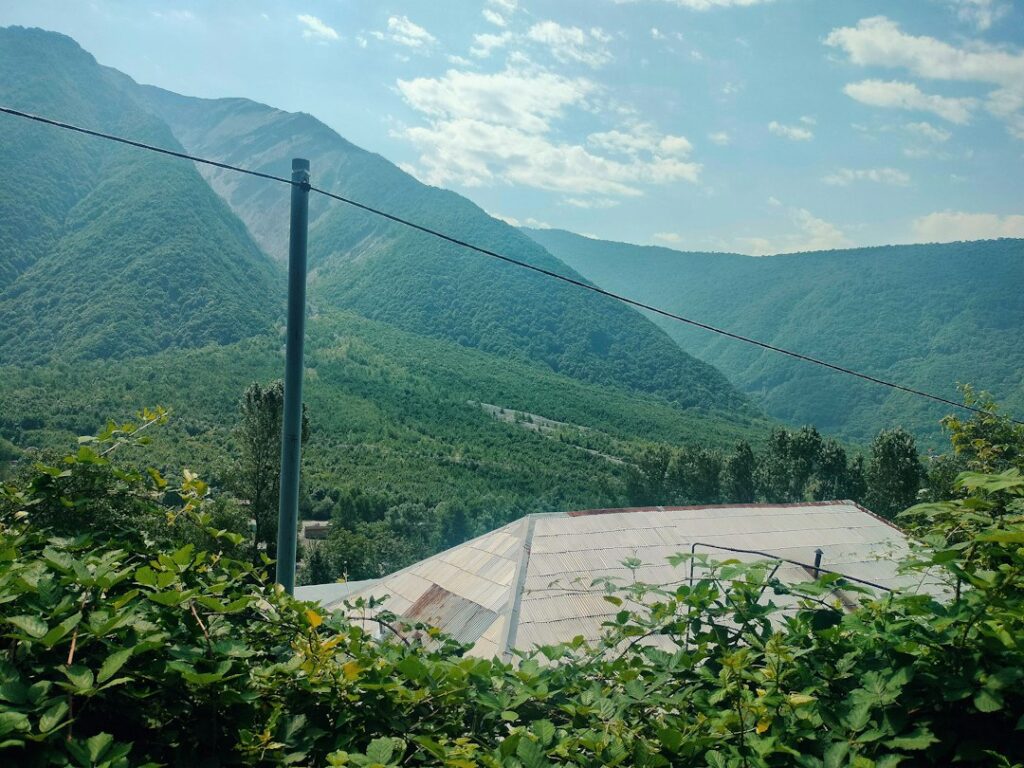
Shade trees can help keep a home cooler, but branches and dense foliage may shorten roof life when they hold moisture, block airflow, or rub against roofing materials. In Groton, NY, where roofs experience snow, ice, rain, humidity, and seasonal leaf fall, the effect depends less on shade alone and more on the tree’s distance, condition, and surrounding drainage.
Does shade itself damage a roof?
Usually, no. Shade does not automatically harm asphalt shingles, metal roofing, or other common roof systems. The main concern is that a shaded roof may dry more slowly after rain, snowmelt, or heavy dew.
A roof that remains damp for long periods is more likely to develop:
- Moss, algae, or lichen growth
- Dark organic staining
- Surface deterioration on some roofing materials
- Damp debris accumulation in valleys and around roof penetrations
- Ice-related problems when wet areas repeatedly freeze and thaw
The risk is higher on roof sections that face limited sunlight and have poor ventilation. A roof under a healthy, well-spaced tree may perform normally for many years. A roof beneath dense branches and heavy leaf cover may need more frequent observation.
How do branches affect roofing materials?
Branches can damage a roof through direct contact, falling debris, and movement during wind or wet snow. Even small twigs can scrape shingle surfaces when they repeatedly move against the roof.
Over time, branch contact may:
- Remove protective granules from asphalt shingles
- Lift or loosen shingle edges
- Scratch metal roofing finishes
- Damage flashing around chimneys, vents, or skylights
- Break gutters and downspouts
- Create openings where water can enter
Large limbs present a different hazard. Winter ice, heavy snow, saturated leaves, and strong winds can increase the weight carried by a branch. A limb that appears stable during summer may become a threat during a storm or late-season freeze.
Trees do not need to touch the roof to create problems. Branches that hang directly over the roof can drop leaves, seed pods, small sticks, and other organic material onto the surface.
Why do leaves and needles matter?
Leaves and needles can block roof drainage, especially in valleys, behind chimneys, and near roof-to-wall transitions. Water may then back up under nearby materials or overflow onto siding, trim, and foundation areas.
Leaf buildup also holds moisture against roofing materials. In Groton, autumn debris may remain in shaded areas through damp fall weather and into the first freeze. When the material becomes trapped under snow or ice, it can stay wet for an extended period.
Gutters are particularly vulnerable. A gutter filled with leaves cannot carry rainwater or melting snow efficiently. Water may spill over the edge, soak fascia boards, or collect near the foundation. In freezing weather, trapped water can contribute to ice formation and added weight on the gutter system.
Can shade trees increase moss or algae growth?
Yes, especially when shade is combined with moisture and organic debris. Moss tends to establish more easily where a roof remains damp and receives little direct sunlight. Algae may appear as dark streaks or broad discoloration, particularly on older asphalt shingles.
Moss is more than a cosmetic issue. Its root-like structures can work beneath shingle edges and disturb the bond between roofing layers. Moss may also trap additional moisture and debris.
Not every dark roof stain indicates structural damage, and not every shaded roof will develop moss. The more useful question is whether growth is spreading, lifting roofing materials, blocking drainage, or keeping the surface continuously wet.
Aggressive cleaning can cause damage. Pressure washing may remove granules or force water beneath shingles. Scraping can tear roofing surfaces. Any cleaning method should be appropriate for the specific material and used carefully.
Does tree shade affect roof temperature and energy use?
Shade can reduce roof and attic temperatures during sunny summer weather. This may lower heat transfer into the upper part of the home, particularly when the roof has adequate insulation and ventilation.
However, the benefit is not unlimited. A shaded roof can still become hot during long summer afternoons, and tree shade does not replace proper attic ventilation or insulation. In winter, branches that block sunlight may slightly reduce passive warming and may help snow remain on the roof longer.
The energy effect depends on tree placement. Shade over a roof can be useful, but shade over solar equipment, windows, or air-conditioning units may have different consequences. Trees should also be evaluated for mature size rather than their current height and spread.
How far should trees be from a roof?
There is no single distance that works for every tree or house. A practical rule is to keep mature branches from resting on or scraping the roof and to leave enough clearance for movement during wind and snow.
Consider:
- The tree’s mature height and canopy width
- Whether branches extend over roof slopes
- The direction of prevailing winds
- The presence of chimneys, vents, dormers, or skylights
- The amount of leaf and needle drop
- Whether the tree is healthy, leaning, or structurally divided

Young trees can be misleading because their current size does not show how close they may be to the roof in ten or twenty years. Planting decisions should account for the full mature canopy and the space needed for future pruning.
What roof areas need the closest inspection?
Roof sections beneath or beside trees deserve extra attention, particularly after storms and seasonal transitions. Useful areas to observe include:
- Valleys where debris collects
- Lower roof edges above gutters
- Shaded north-facing or enclosed roof sections
- Areas beneath large horizontal limbs
- Flashing around chimneys, vents, and skylights
- Roof penetrations near overhanging branches
- Places where moss or leaf buildup is visible
From the ground, look for missing or uneven shingles, sagging gutters, loose flashing, dark wet patches, and branches resting against the roof. Binoculars can help provide a closer view without climbing.
Walking on a roof can damage materials and create a fall hazard, especially when shingles are wet, frosty, steep, or covered with moss. A roof inspection should not require unsafe climbing by a homeowner.
How should homeowners manage trees near a roof?
Tree care and roof care are closely connected. Keeping branches clear, removing accumulated debris safely, and maintaining open drainage can reduce moisture-related wear.
Practical maintenance includes:
- Checking tree and roof conditions after high winds or heavy snow
- Keeping gutters and downspouts clear of leaves and needles
- Watching for branches that have begun to touch roofing materials
- Removing dead or visibly damaged limbs before storms
- Trimming growth that blocks roof ventilation openings
- Reviewing young tree placement as the canopy expands
- Monitoring attic areas for damp insulation, staining, or musty odors
Large limbs near a roof, power lines, or occupied areas can be hazardous to remove. Tree work may also require awareness of local rules, property boundaries, and underground or overhead utilities.
Do shade trees shorten every roof’s lifespan?
No. A mature tree near a home does not automatically mean the roof will fail early. Roof age, material quality, installation, ventilation, slope, drainage, weather exposure, and maintenance all play significant roles.
In some cases, shade may reduce summer heat stress and slow temperature-related expansion and contraction. The same tree can still create problems if it drops heavy debris, keeps the roof damp, or allows branches to strike the surface.
The most reliable approach is to evaluate the whole setting: how much sunlight reaches the roof, whether water drains freely, whether branches make contact, and whether moisture or debris remains after weather events. That assessment gives homeowners a clearer picture than judging a tree by its size or the amount of shade it provides.
