
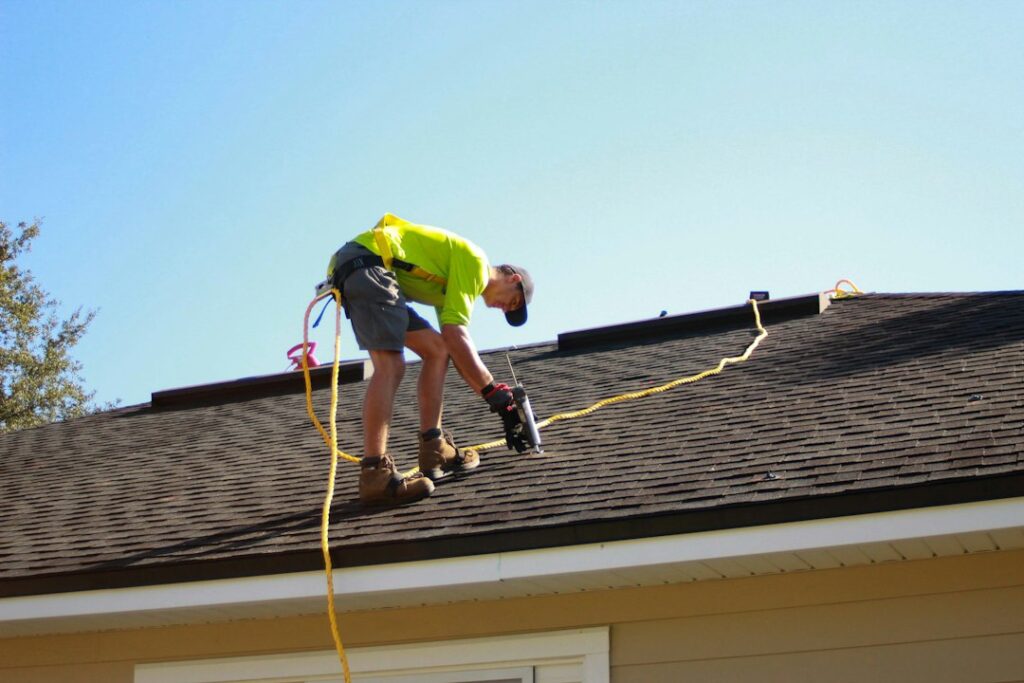
What does preventive roof maintenance actually mean?
Preventive roof maintenance is the regular inspection, cleaning, and minor repair of a roof before a small defect becomes a leak or structural problem. It is less about making a roof look new and more about keeping water, snow, wind, and moisture from reaching the parts of a home that are costly to replace.
For households in Groton, NY, roof care is especially relevant because roofs must handle repeated freeze-thaw cycles, winter snow, spring rain, summer heat, falling leaves, and occasional strong winds. These conditions do not always cause immediate damage. Instead, they can gradually loosen materials, open small gaps, and shorten the useful life of the roof system.
A maintenance plan usually includes:
- Checking shingles, metal panels, flashing, and roof edges
- Clearing leaves and debris from valleys and drainage areas
- Inspecting gutters, downspouts, and splash points
- Looking for damaged seals around vents, chimneys, and other roof penetrations
- Checking attic insulation, ventilation, and signs of moisture
- Documenting changes from one inspection to the next
How does preventive maintenance save money?
The financial value comes from correcting manageable defects before they affect multiple layers of the home. A loose shingle may be a limited repair. Water that enters beneath it can damage underlayment, roof decking, insulation, rafters, ceilings, trim, and interior finishes.
Early maintenance can help reduce the cost of:
- Replacing sections of deteriorated roof decking
- Repairing stained or sagging ceilings
- Removing wet insulation
- Treating mold or wood decay caused by persistent moisture
- Rebuilding roof edges damaged by trapped water
- Addressing interior damage after a storm or winter leak
Preventive work does not eliminate the need for eventual roof replacement. However, it can help a roof reach its expected service life instead of failing early because of neglected flashing, blocked drainage, poor attic airflow, or repeated water entry.
The savings are also easier to manage when repairs are identified during ordinary planning rather than during an emergency. A visible issue found in mild weather allows time to understand its cause and determine its priority.
Which roof problems are easiest to miss?
The most overlooked problems are often located at transitions and edges rather than in the middle of the roof. These areas experience movement, runoff, and exposure from several directions.
Pay particular attention to:
Flashing around roof penetrations
Flashing directs water away from chimneys, plumbing vents, wall intersections, skylights, and roof-to-wall joints. If flashing bends, corrodes, separates, or loses its seal, water may enter without leaving an obvious mark on the exterior.
Valleys and roof edges
Valleys carry concentrated runoff. Leaves and small branches can collect there, holding moisture against the roofing material. At the eaves, blocked drainage or damaged edges can allow water to move behind the roof covering.
Gutters and downspouts
A roof can be in reasonable condition while poor drainage causes problems along the fascia, soffit, foundation, or exterior walls. Gutters that overflow during heavy rain may indicate clogs, improper slope, loose fasteners, or undersized drainage.
Attic surfaces
A roof leak may first appear as damp insulation, darkened wood, rusty fasteners, musty odors, peeling paint, or water staining. The visible ceiling mark inside the living space may be far from the point where water entered.
Why do gutters and attic ventilation matter so much?
Gutters and ventilation are supporting parts of the roof system, not separate concerns. Gutters move water away from the roof edge and foundation. Attic ventilation and air sealing help control heat and moisture beneath the roof covering.
In winter, warm air leaking into a cold attic can contribute to condensation and uneven snow melting. Meltwater may refreeze near colder roof edges, increasing the chance of ice-related water entry. Ventilation alone does not solve this problem; the attic also needs a reasonably continuous air barrier and adequate insulation.
A useful maintenance review should check whether:
- Soffit vents are blocked by insulation, paint, or debris
- Bathroom and kitchen exhaust fans discharge outdoors rather than into the attic
- Attic insulation is wet, compressed, or uneven
- Roof vents are damaged or poorly sealed
- Gutters remain securely attached after snow and ice loads
- Downspouts discharge water far enough away from the foundation

Adding vents without addressing air leakage or blocked intake vents can produce disappointing results. Roof systems work best when drainage, insulation, air sealing, and ventilation are considered together.
How often should a roof be checked?
A practical schedule is to look over the roof and drainage system in spring and fall, with an additional check after unusually strong wind, heavy snow, or a major ice event. Some roofs may need more frequent attention if they are shaded, surrounded by mature trees, steeply shaped, or difficult to inspect from the ground.
A ground-level review can identify many warning signs without anyone walking on the roof. Look for:
- Shingles that are missing, lifted, cracked, or visibly curled
- Granules collecting in gutters or near downspouts
- Sagging roof lines or uneven roof surfaces
- Exposed fasteners or damaged metal
- Water stains on soffits, fascia, ceilings, or upper walls
- Gutters pulling away from the roof edge
- Moss or organic growth that keeps roofing materials damp
Roof walking presents fall and material-damage risks, especially when surfaces are wet, icy, steep, or fragile. If inspection requires climbing, or if structural damage is suspected, qualified assistance is appropriate because safety takes priority over a routine check.
Does preventive maintenance extend roof life?
It can, particularly when maintenance addresses the cause of deterioration rather than only its visible symptom. Keeping water moving away from the roof, maintaining properly sealed flashing, and correcting moisture problems can reduce repeated stress on roofing materials and wood components.
Maintenance is most effective when records are kept. A simple file can include inspection dates, photographs, approximate roof age, repairs completed, and notes about recurring trouble spots. This information helps distinguish a new defect from an old stain and makes it easier to track gradual changes.
It also helps with household planning. A roof that is maintained but approaching the end of its expected life should not be treated the same as a newer roof with a small isolated defect. Age, material type, installation quality, ventilation, slope, tree exposure, and weather history all affect remaining service life.
What should homeowners avoid doing?
Several common responses can create more problems than they solve.
Do not cover a damp roof leak without finding the entry point. Water may continue traveling through the roof assembly and damage concealed wood or insulation.
Do not assume a roof is sound because the attic is dry on the day it is checked. Some leaks appear only during wind-driven rain, melting snow, or specific runoff conditions.
Do not pressure-wash shingles or scrape roofing materials aggressively. Abrasive cleaning can remove protective granules and weaken the surface.
Do not seal every visible gap with caulk as a general solution. Sealants can deteriorate, trap water, or conceal a flashing problem that requires a more durable repair.
Do not ignore small ceiling stains, musty odors, or damp attic insulation. These signs may be intermittent, but they still indicate that moisture is entering or accumulating somewhere.
When is a repair more urgent?
Some conditions deserve prompt attention rather than routine observation. These include active dripping, a visibly sagging roof area, extensive storm damage, exposed underlayment, large sections of missing roofing, damaged electrical components near a leak, or water entering near a ceiling fixture.
During winter, avoid climbing onto an icy roof or attempting to remove heavy snow from a steep surface. Falling snow, hidden ice, and damaged roofing materials create serious hazards. Interior containment, safe documentation, and timely evaluation are usually safer than improvised roof access.
Preventive maintenance works because it turns roof care into a process of observation and early correction. For local households, the long-term value is not limited to preserving shingles. It also means protecting insulation, framing, ceilings, interior finishes, comfort, and the ability to plan for major work before an emergency forces the decision.
