
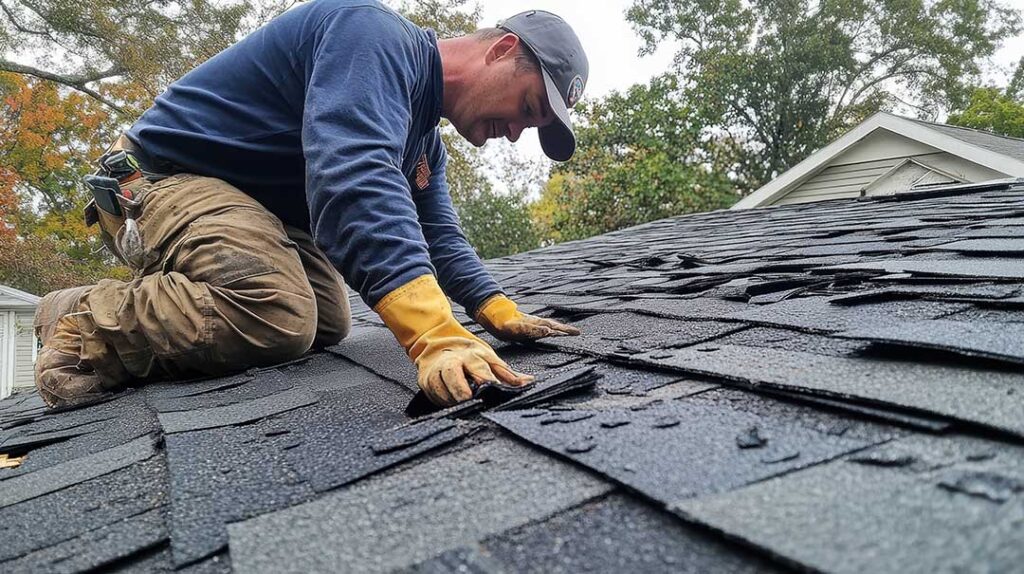
A roof leak rarely affects only the shingles or roofing surface. Water can move through underlayment, roof decking, insulation, ceilings, walls, and framing before the problem becomes visible inside the home. In Groton, NY, seasonal rain, snow, ice, wind, and repeated freeze-thaw cycles can make small roofing weaknesses more damaging over time.
Understanding how moisture travels helps homeowners recognize warning signs early and respond before a localized leak becomes a structural repair problem.
What happens to a home when the roof leaks?
A leaking roof allows water into areas that are designed to remain dry. The first materials affected may include roof decking, attic insulation, rafters, trusses, and ceiling drywall. If the leak continues, moisture can reach wall framing, electrical components, flooring, and other parts of the building envelope.
The damage depends on several factors:
- How much water is entering
- Whether the leak is active or intermittent
- How long the materials remain wet
- Whether the affected area is ventilated
- Whether the leak occurs over an attic, finished room, or wall cavity
A small stain after one storm may indicate a limited problem, but it can also be evidence of moisture that has been traveling along framing or roof layers before appearing indoors.
How can a leak weaken roof decking and framing?
Roof decking is the layer of wood attached to the rafters or trusses beneath the roofing materials. It supports the roof surface and helps distribute weight. When decking becomes repeatedly wet, it may swell, soften, delaminate, or begin to decay.
Weak decking can lead to:
- Spongy areas beneath the roofing materials
- Loose or poorly supported fasteners
- Sagging between rafters
- Openings that allow more water to enter
- Reduced support for snow and ice loads
Wood framing can also be affected. Rafters, trusses, and ceiling joists may lose strength when exposed to prolonged moisture. Rot often develops gradually, especially around roof penetrations, valleys, eaves, and areas where water collects.
A roof does not need to collapse for structural damage to be serious. Localized deterioration can reduce the safety margin of the roof system and make future weather events more difficult for the structure to withstand.
Can roof leaks cause ceilings or walls to sag?
Yes. Ceiling sagging often means that drywall, plaster, insulation, or framing has absorbed water. A ceiling may bow downward because wet materials become heavier, lose stiffness, or separate from their fasteners.
Visible signs can include:
- Brown or yellow ceiling stains
- Bubbling paint
- Cracking along ceiling joints
- Soft drywall
- A bulging area that feels damp
- Peeling wallpaper or wall coverings
- New cracks near the top of a wall
A sagging ceiling should not be punctured casually. Water may be pooled above it, and electrical wiring or light fixtures may be nearby. If the bulge is large, growing, or close to a light fixture, occupants should avoid the area and treat the condition as a safety concern.
Wall damage can be less obvious. Water may run down rafters or roof framing and enter a wall cavity away from the original leak. Staining, peeling paint, swollen trim, or a musty smell near upper walls may indicate that moisture has moved beyond the attic.
Why is attic moisture a structural concern?
An attic can hide a leak for a long time. Insulation may absorb water, and ventilation may be insufficient to dry the affected materials. Persistent dampness can encourage wood decay and mold growth while also reducing the insulation’s performance.
Wet insulation may:
- Lose some of its insulating value
- Add weight to ceiling materials
- Hold moisture against wood
- Hide the full extent of the leak
- Contribute to higher heating and cooling demands
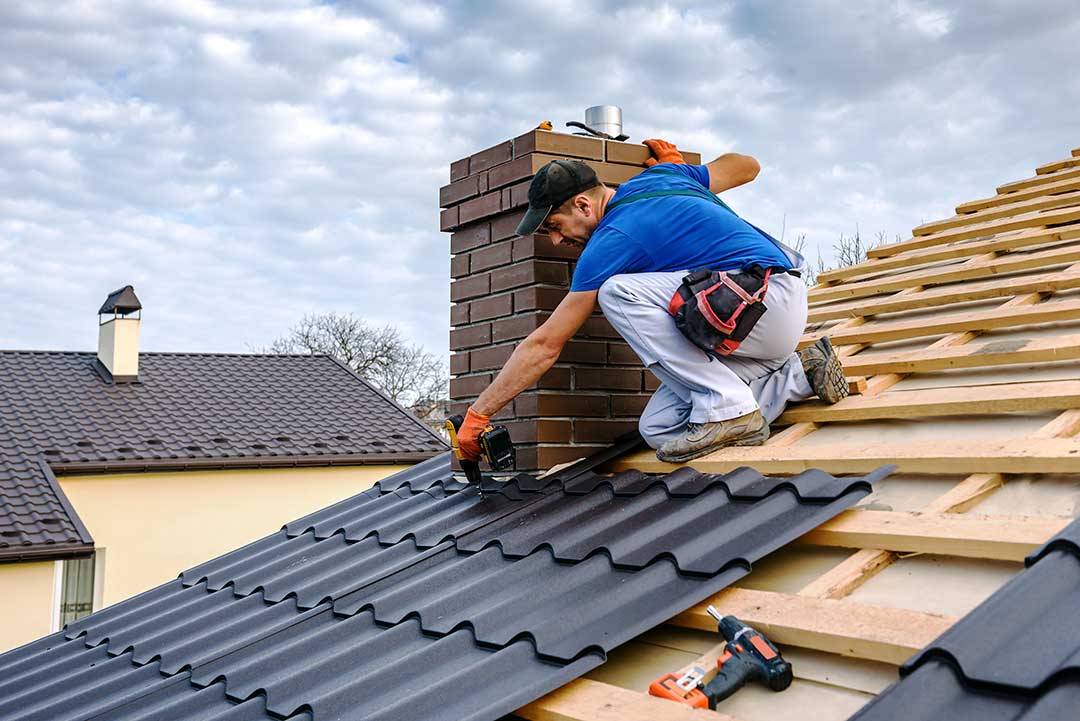
In colder weather, warm indoor air can also meet cold roof surfaces and create condensation. That moisture is not always caused by a roofing failure, but it can produce similar symptoms. Poor attic ventilation, air leaks around ceiling penetrations, and blocked vents may all contribute.
Distinguishing a roof leak from condensation matters because the corrective work may be different. Water that appears only during rain or snowmelt points toward an exterior moisture pathway. Dampness that develops during cold periods without precipitation may suggest an attic air-sealing or ventilation issue.
How do ice, snow, and freeze-thaw cycles affect roof leaks?
Winter conditions can worsen an existing weakness. Snow may remain on a roof while warmer areas near the eaves begin to melt. If drainage is restricted by ice, water can collect and move beneath roofing materials.
Freeze-thaw cycling can also enlarge small cracks and gaps. Water enters a seam or damaged area, freezes, expands, and places additional stress on surrounding materials. Repeated cycles may loosen flashing, damage sealant, and open pathways around chimneys, vents, skylights, and roof edges.
Heavy snow adds weight to every part of the roof system. A roof with weakened decking or framing may be less able to carry that load safely. This is one reason a leak that appears minor in autumn can become more serious during winter.
Can a roof leak lead to mold or wood rot?
Yes. Mold can develop when materials remain damp, particularly in dark, poorly ventilated areas such as attics and wall cavities. Wood rot is a separate process involving the deterioration of wood fibers, but both conditions are encouraged by persistent moisture.
Mold may affect air quality and produce musty odors, although its absence does not prove that no moisture damage exists. Wood rot can remain hidden beneath insulation, roofing layers, or interior finishes.
Materials that have been wet should be allowed to dry thoroughly, and visibly damaged porous materials may need careful evaluation. If mold covers a large area, the source of moisture is uncertain, or occupants have health concerns, specialized assessment may be appropriate.
What signs suggest that a leak is affecting the structure?
Some warning signs are easy to see, while others require looking in the attic or roof-edge areas. Useful indicators include:
- A ceiling stain that grows after rain
- Sagging or uneven roof surfaces
- Soft spots in roof decking
- Damp insulation
- Darkened or crumbly wood
- Cracked drywall near ceilings
- Doors or windows that begin sticking after a leak
- Musty odors in upper rooms
- Rusted nails or fasteners in the attic
- Repeated leaks in the same location
A single symptom does not identify the exact entry point. Water can travel horizontally along rafters, roof decking, insulation, and framing before becoming visible.
What should residents do after discovering a roof leak?
The first priority is to reduce immediate risk. Place containers beneath active drips, move furnishings and electronics away from the area, and avoid touching wet electrical fixtures or outlets. If water is near electrical equipment, the affected circuit may need to be shut off only if doing so is safe.
Documenting the location and timing of stains can help distinguish rain-related leaks from condensation or plumbing problems. Photographs taken before cleanup may also show how far the damage extends.
Do not walk on a visibly sagging roof, climb onto icy surfaces, or enter an attic where the flooring is unclear. Structural damage can make these areas unsafe. If a ceiling is bulging, water is near electrical wiring, or the roof appears unstable, keep people away from the affected area until the hazard is addressed.
A leak is not fully resolved when the ceiling stain dries. The water source must be identified, wet materials must be dried or replaced as appropriate, and damaged decking or framing should be evaluated. Prompt attention is especially useful before periods of heavy rain, snow accumulation, or repeated freezing temperatures.
