
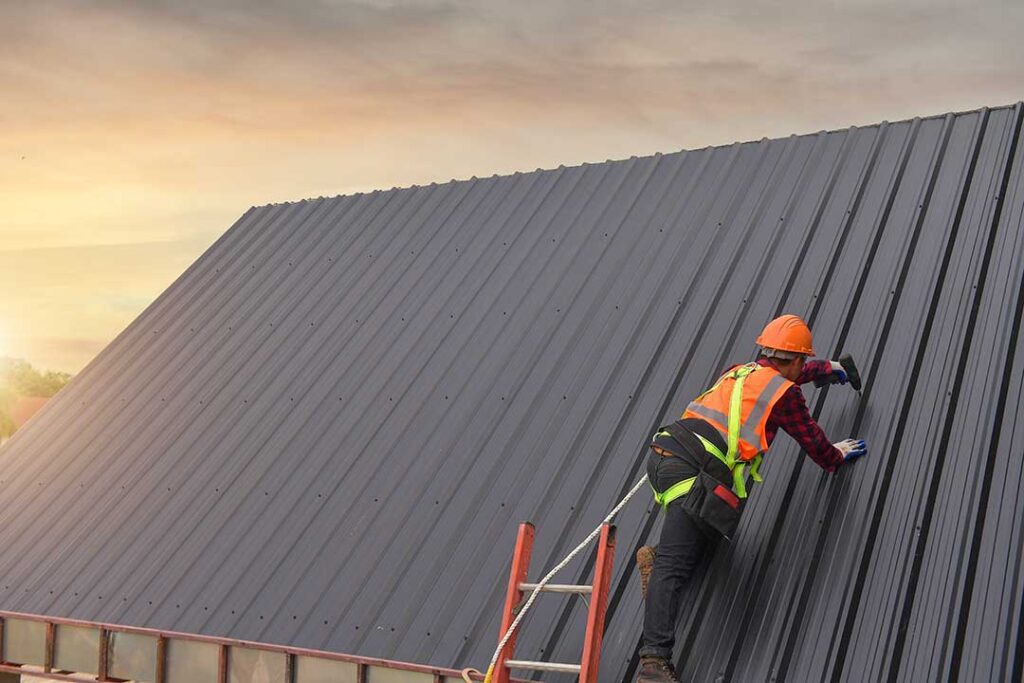
Why Does Rain Sound So Loud on Some Roofs?
Rain noise on a roof often stands out, especially in areas like Groton, NY that experience frequent and sometimes heavy rainfall throughout the year. The roofing material, attic insulation, and even the structure of the home all play a role. Metal roofs, for example, can create a drumming effect that amplifies rain noise, while asphalt shingles generally absorb more sound. Local homes built before more recent insulation standards may also let more sound pass from the roof into living spaces.
What Home Features Impact Rain Noise Indoors?
Several factors in homes around Groton shape how much rain noise makes its way inside:
- Roof material: Metal, plastic, or fiberglass roofs amplify sound more than asphalt shingles or slate.
- Attic insulation: Less insulation means more chance for noise to travel into living areas.
- Roof deck thickness: Thicker decking can reduce vibration and, by extension, noise transmission.
- Raised ceilings or open attics: Tall or uninsulated attic spaces have less sound dampening, letting noise echo more noticeably.
- Vents and skylights: Openings or less-insulated elements can let in additional noise.
Can Insulation Make a Noticeable Difference?
Yes, adding or upgrading attic insulation often helps quiet rain noise for local households. Insulation acts as a sound barrier, muffling the drumming sound before it reaches bedrooms or living spaces. Fiberglass batts, blown-in cellulose, or spray foam are all used in homes throughout the community, with varying levels of effectiveness:
- Fiberglass batts: Widely available and commonly used, providing a reasonable level of noise reduction.
- Blown-in cellulose: Offers denser coverage, which generally improves sound dampening.
- Spray foam: Delivers high insulation and sound-blocking properties, but is often more expensive.
Many local homes already have some attic insulation for energy efficiency, but topping up or upgrading to higher-density material is a straightforward method for reducing noise.
Are Some Roofing Materials Naturally Quieter Than Others?
Roof choice has a significant impact. In areas like Groton where mixed weather is normal, the following materials are most commonly found:
- Asphalt shingles: Absorb sound relatively well, thanks to their layered construction.
- Architectural shingles: Thicker and heavier than basic shingles, offering even better sound reduction.
- Metal roofing: Durable but tends to magnify rain noise without proper underlayment or insulation beneath.
- Wood shakes/shingles: Provide modest noise absorption, though not as much as composite or asphalt.
- Slate or tile: Dense and heavy, these options can also lower noise, but their extra weight is not always suited to older structures.
If planning a replacement, choosing a material with natural sound-dampening qualities can pay off during Groton’s rainy spring and autumn seasons.
Does Installing an Underlayment Help?
Using a high-quality sound-deadening underlayment beneath the exterior roofing material can be very effective for reducing noise. These products are designed to absorb vibrations before they pass into the home's interior. Underlayments come in several forms—felt, rubberized membranes, or synthetic sheets—and are usually installed during roof replacement or major repairs, because adding them after the fact can be much more challenging.
Local homes with metal or lightweight roofing can especially benefit from this feature. While upgrading underlayment isn’t a common retrofit project, it’s an important consideration during any reroofing work in Groton.
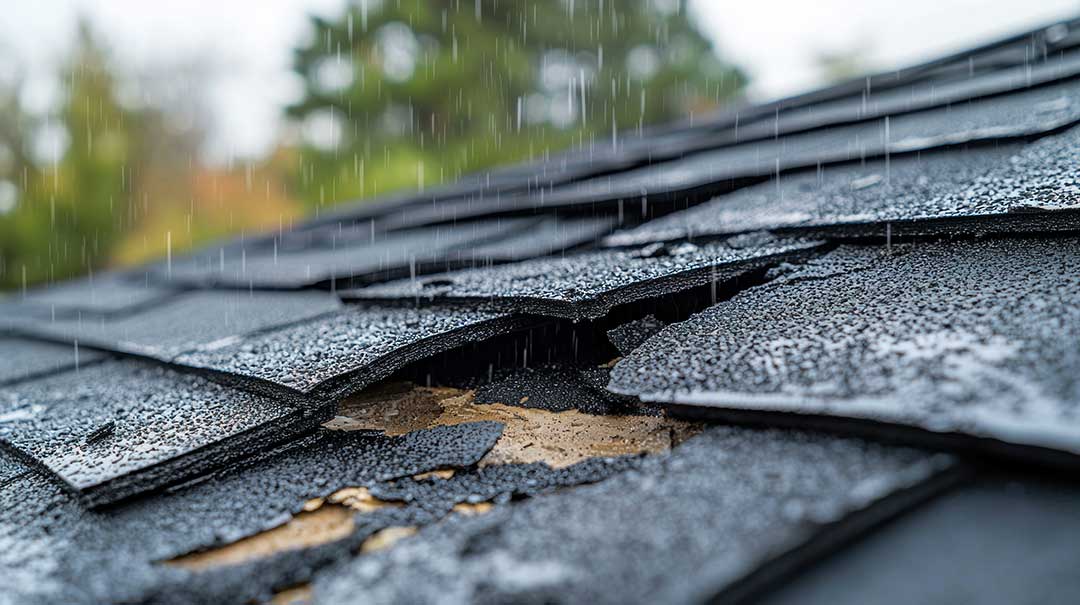
How Can Ceiling Treatments Lessen Rain Noise?
For residents who don’t plan on replacing the roof anytime soon, ceiling treatments inside can help dampen sound. These methods improve comfort, particularly in rooms directly beneath the attic or roofline:
- Add an extra drywall layer: Doubling up on drywall increases mass, reducing vibration and noise transmission.
- Install acoustic panels: Specialized panels can be added to ceilings for extra sound absorption.
- Use drop ceilings with sound-deadening tiles: This is an effective method in finished basements or converted attic spaces prone to rain noise.
These treatments can be more accessible than roof modifications and are suitable for local households wanting immediate improvement without major exterior work.
Are Gutters and Roof Shape Factors in Rain Noise?
Yes, rainwater hitting gutters and the design of a roof can contribute to how noise is heard indoors. In Groton, where gutter systems need to handle heavy rains and leaf debris, noisy downspouts and improperly-pitched gutters may contribute clattering sounds. Installing splash guards, downspout extenders, or noise-reducing foam inserts can help quiet runoff sounds.
Low-sloped or flat roofs tend to retain more water, which can increase the chance of pooling and drumming, whereas steeper-pitched roofs allow rain to shed quickly, leading to less persistent noise.
What Are Common Misconceptions About Reducing Roof Noise?
Not all quick fixes provide lasting relief:
- Painting or coating a roof: While some coatings can deaden sound a little, they won’t have the same impact as insulation or underlayment.
- Adding rugs or wall hangings: Helpful for echo, but ineffective for loud rain since noise is coming from above, not bouncing off walls.
- Closing windows tightly: Windows rarely transmit roof rain noise unless leaks exist, so this usually doesn’t make a difference.
A thoughtful, layered approach works best—starting with insulation, considering roofing materials if planning future replacement, and using ceiling or attic solutions for further dampening.
When Are Improvements Most Noticeable in Groton?
Rain noise often becomes most disruptive during the spring thaw and autumn storms, when rain is heaviest and homes are either being aired out after winter or closed up tightly for the cold months. Older or lightly-insulated homes, as are common around Groton’s center and surrounding countryside, can especially benefit from updated insulation or attic enhancements. Combining several of the methods above provides the most effective results for a quieter, more peaceful home environment.
