
What Roofing Materials Last the Longest in Groton, NY?
Some roofing options can hold up for decades, while others require replacement much sooner. In Groton, NY, popular choices include asphalt shingles, metal, slate, tile, and synthetic materials. Each offers a different balance of cost, resilience, and longevity. Durable materials generally resist weather extremes, require less maintenance, and provide better long-term protection.
- Slate and metal roofs frequently last 50 years or longer, sometimes outliving multiple generations in a home.
- Architectural asphalt shingles (also called dimensional shingles) typically last 20–30 years in the local climate.
- Concrete or clay tiles provide 40–60 years of service but are less common locally due to weight and installation requirements.
- Synthetic materials—such as polymer composites that mimic slate or shake—continue to evolve, now often offering 30+ years and improved weathering compared to earlier versions.
Which Roofing Materials Stand Up Best to Groton Weather?
Harsh winters, spring windstorms, and year-round moisture challenge roofs in this part of New York State. Residents often ask which materials handle these variations best.
- Metal roofing is especially valued for its resistance to ice dams, wind-driven rain, heavy snow, and hail. Snow slides off easily, reducing weight load during storms.
- Slate shrugs off freeze-thaw cycles, with natural stone rarely suffering from cracking unless physically damaged.
- High-quality asphalt shingles rated for wind and algae resistance perform well if installed properly, though they can lose granules or curl under repeated extreme cold snaps.
Tile performs well in heat and moderate cold, but traditional clay tiles may crack with repeated freezing and thawing unless specifically rated for the region. Synthetic roofs with robust impact and UV resistance are emerging as a practical alternative for homes under tree cover or in high-wind areas.
How Does Longevity Compare for Common Roofing Types?
Typical roof lifespan varies widely by material and installation.
- Asphalt Shingles: Expect 15 to 30 years for architectural styles, less for basic 3-tab types. Proper attic ventilation and regular maintenance are key.
- Metal (Steel or Aluminum): Steel or aluminum standing seam roofs often exceed 50 years, with minimal maintenance besides periodic checks for fastener tightness and sealant integrity.
- Slate: Well-installed slate lasts 75–100+ years. Individual tiles may break, but repairs are usually localized and straightforward if original material is available.
- Concrete or Clay Tile: Most tiles can last 40–60 years or more. However, underlying support and professional installation are essential due to the material’s weight.
- Synthetic Composite: Modern composites made from engineered polymers can reach 30–50 years, especially if they copy the structure of slate or cedar shakes.
Is Metal Roofing Always the Most Durable Choice Locally?
Metal is a leading option for durability, but it is not always the only solution.
- Repels Snow and Ice: In Groton, snow slides off metal roofs, reducing risk and roof load.
- Wind and Hail Resistant: Proper metal systems withstand high winds and occasional hail better than most other types.
- Fire and Algae Proof: Metal does not burn or support moss and algae growth, an advantage in shaded and wooded neighborhoods.
However, installation must be done correctly for seams, ventilation, and fastenings. The initial cost is higher than asphalt, but longer life and reduced maintenance often offset that investment. Residents sometimes worry about noise in rain, but insulation and attic design can easily address this issue.
Are Slate and Tile Practical for the Area?
Slate’s durability is unmatched, but its installation demands skill and structural readiness. Historic and higher-end homes in the city may feature slate, prized for decades—or even centuries—of reliability.
- Slate Tiles: Heavy and expensive. They need roof framing built to handle their weight and specific underlayment. Once installed, they require little maintenance except occasional tile replacement.
- Tile Roofing: While tile is seen throughout the country, the weight and risk of freeze-thaw cracking make it less practical unless the tile is designed for colder climates. Repairs can be trickier than with slate.
What Are Common Misconceptions About Durable Roofing Materials?
Some area residents believe heavier means better, but this is not always true.
- Heavier materials like concrete or clay tiles require stronger structural support, which many older homes lack.
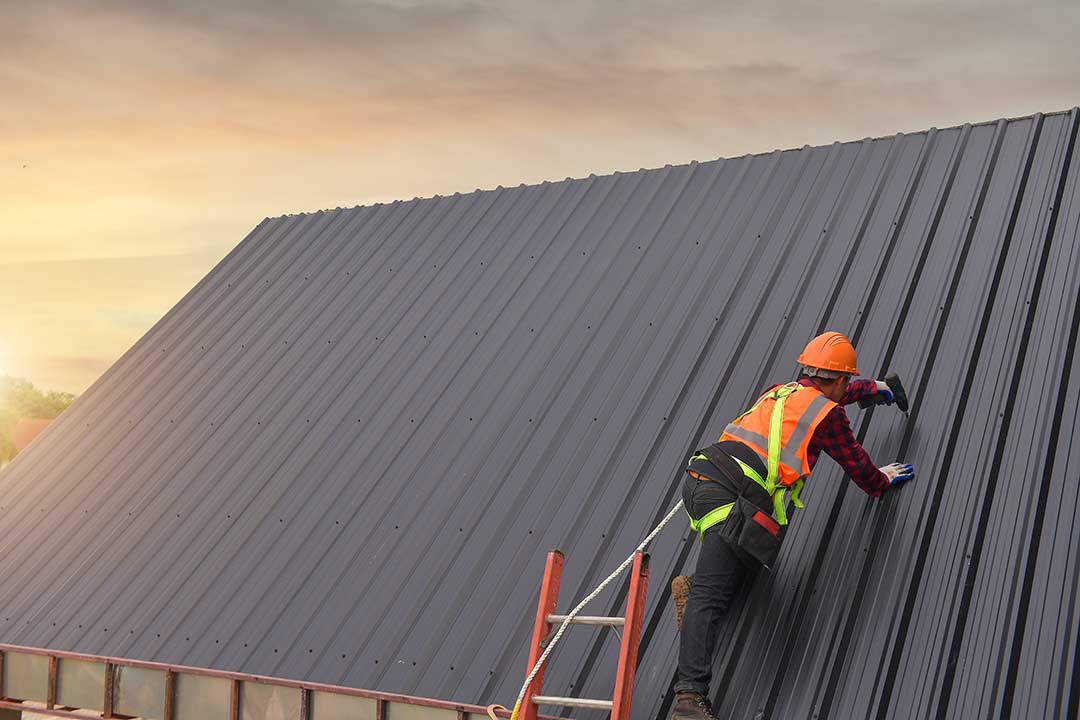
- Not all metal roofs are equal; lower-grade metals or improper installation can lead to unexpected leaks or corrosion.
- Premium asphalt shingles deliver longer life than entry-level types, but maintenance—clearing debris, checking flashing, avoiding moss buildup—is as important as the shingle itself.
- Durable synthetic roofing is not “plastic” in the disposable sense; higher-end products are engineered for long outdoor life.
What About Upkeep and Long-Term Maintenance?
The most durable roofs are those that are properly maintained, regardless of material.
- Keep gutters clear of leaves and debris to prevent water from backing up under the shingles or panels.
- Inspect flashing and valleys where leaks most often develop, especially after wind or ice events.
- Trim overhanging branches to avoid punctures, moss growth, and ice buildup.
- Monitor attic ventilation to prevent excess heat and moisture, both contributors to early aging of roof materials.
Homeowners with historic or unique material roofs may want to periodically consult a specialist for condition assessments, especially if roof access or safety is a challenge.
How Should Residents Decide What’s Best for Their Homes?
The right option depends on each home’s structure, budget, and long-term goals. Factors to consider include:
- Lifespan versus initial cost
- How well your home’s structure can support heavier materials
- Architectural style and personal preference
- Local building codes and neighborhood conditions
- Willingness for ongoing upkeep
Durability is more than resisting storms; it’s the sum of installation quality, regular attention, and material science adapted for local needs. Selecting a roofing material is a long-term decision with consequences for comfort, resale value, and everyday peace of mind in the community.
