

How Do Pests Get Into Roofs?
Pests such as squirrels, raccoons, bats, birds, and insects often access roofs through small vulnerabilities that appear over time. In Groton, NY, weather fluctuations, age-related wear, and local wildlife behaviors all contribute to the risk of pest intrusion. Even well-maintained homes have weak spots that can make entry easy for persistent animals and insects.
What Are the Most Common Roof Entry Points for Pests?
Pests take advantage of any small gap, crack, or opening in a roof system. The most common entry points include:
- Gaps or cracks in shingles, especially after winter freeze-thaw cycles typical in Groton.
- Loose or damaged flashing around chimneys, skylights, or vents.
- Unsecured attic vents or soffit screens, often pushed open by squirrels or birds.
- Missing or rotted fascia boards and trim along roof edges.
- Cap or ridge vents without pest guards.
Some species, like bats or mice, need only a half-inch opening to squeeze through, making regular roof inspections essential for local households.
How Does the Local Climate Affect Roof Pest Risk?
Changing seasons in Groton can mean more opportunities for pests to enter roofs. Harsh winters often cause ice dams and snow loads that shift or damage shingles, flashing, and gutters. When snow and ice melt, they can reveal hidden gaps. Spring and summer bring increased pest activity as animals search for shelter and nesting sites. Periodic heavy winds or falling branches can create roof vulnerabilities, especially in heavily wooded parts of the community.
Which Pests Are Most Likely to Target Roofs in This Area?
Residents in and around Groton typically encounter a mix of wildlife and insects eager to move indoors, especially as temperatures change. Locally, the most frequent roof intruders include:
- Squirrels, who chew through wood to make attic nests.
- Racoons, capable of prying up shingles and vent covers.
- Bats, which exploit small cracks or gaps near soffits.
- Starlings and sparrows, nesting in roof vents or chimneys.
- Wasps and hornets, often finding entry via small holes near eaves or overhangs.
- Carpenter ants or termites, drawn to damp, damaged wood.
Rodents and birds are particularly active in late summer and early fall, as they seek warm places for winter.
How Can Roof Design Influence Pest Entry?
Certain roof features increase susceptibility to pest entry. Homes with complex rooflines, multiple intersecting planes, or numerous dormers tend to have more joints and flashing, which create additional entry points if not tightly sealed. Older houses, or those under large tree canopies, may be more vulnerable due to accumulated debris and shaded, damp roof zones where wood can rot.
Attic or roof vents without fine-mesh screens give easy access to birds and small mammals. Skylights and chimney chases, common in some Groton construction, should be checked regularly to ensure their seals and covers stay intact.
Are DIY Repairs Enough to Prevent Pest Entry Through the Roof?
Many residents attempt basic pest-proofing by patching shingles, replacing attic screens, or sealing minor gaps with caulk. For small projects, such maintenance helps but may not address hidden issues such as:
- Rotten wood inside the attic or beneath shingles, masked by surface repairs.
- Chewed insulation or wiring close to roofline penetrations.
- Moisture damage below visibly intact shingles.
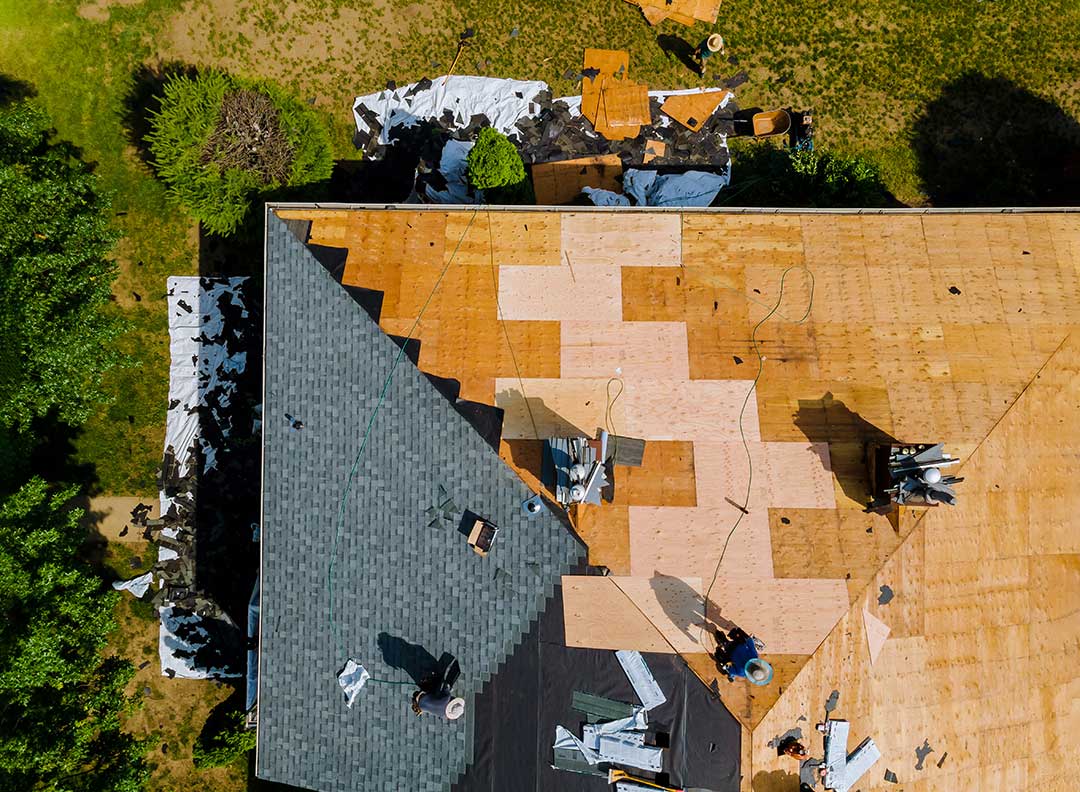
DIY methods can be effective for isolated or minor issues, but careful inspection and a thorough understanding of the roof structure are necessary. In older homes, persistent pest problems may signal structural deterioration that’s not immediately visible from the outside.
What Maintenance Habits Reduce Roof Pest Risks?
Routine attention to roofing can deter pest entry before it starts. Some good habits for area homeowners include:
- Clearing leaves, pine needles, and branches off the roof and out of gutters to prevent water pooling and decay.
- Inspecting roof edges, soffits, and around vent pipes for soft spots or visible openings at least twice a year.
- Checking vent screens for rust or holes, especially after storms.
- Promptly replacing missing shingles, cracked flashing, or rotted trim.
- Trimming overhanging tree limbs to reduce jumping access for squirrels and raccoons.
Local residents who spot animal tracks, droppings, or signs of chewing should investigate further for hidden entry points.
Are There Overlooked Signs That Pests Are Already Inside the Roof?
Sometimes, minor signs escape notice until an infestation is underway. Residents might overlook:
- Scratching noises in ceilings or attic walls, often at dawn or dusk.
- Faint but persistent odors indicating a wildlife den or nesting material.
- Small piles of nesting debris or chewed wood in attic spaces.
- Dislodged insulation, sometimes visible from attic hatch areas.
- Increased insect activity inside, such as wasps appearing in upper-floor rooms.
Addressing these early clues can prevent more significant roof or attic damage as pests become established.
